
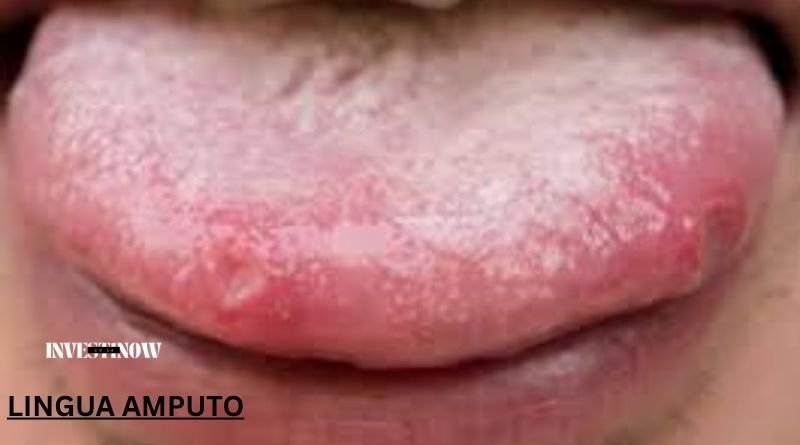
What Is Lingua Amputo?
Lingua Amputo is a term that originates from Latin, roughly translating to “amputated tongue.” It is used to describe the partial or complete loss of the tongue due to medical, traumatic, or surgical causes. While extremely rare, this condition can have profound implications on a person’s ability to speak, eat, and interact socially. The tongue is one of the most vital muscles in the human body, responsible for articulation, swallowing, and taste. Therefore, when a person experiences lingua amputo, the physical and psychological impact can be life-altering.
Causes and Medical Background of Lingua Amputo
Traumatic and Surgical Causes
One of the most common causes of lingua amputo is trauma—either accidental or intentional. Severe accidents, such as vehicle collisions, industrial injuries, or even self-inflicted harm in psychiatric cases, can lead to partial or total amputation of the tongue. In some cases, surgeons may perform a controlled removal of a portion of the tongue to treat oral cancer or severe infections. This procedure, known as a glossectomy, is considered a type of surgical lingua amputo.
Infections and Disease
Certain infections, such as necrotizing fasciitis or advanced oral cancers, can cause tissue death, leading to a natural or surgical need for amputation. Additionally, radiation therapy and chemical burns may damage the tongue tissue irreversibly. Medical professionals must balance the removal of diseased tissue while preserving as much functional capacity as possible.
Effects on Speech and Communication
The most immediate and obvious consequence of lingua amputo is the loss of speech clarity. The tongue plays a crucial role in articulating consonants and vowels, and its absence disrupts the ability to pronounce many sounds. People with partial tongue removal may still retain some speech ability, though it often requires extensive speech therapy. In cases of complete amputation, communication through speech becomes nearly impossible, forcing individuals to rely on alternative methods such as writing, sign language, or digital communication aids.
Beyond the mechanical difficulties, the emotional toll can be significant. The inability to speak or express oneself verbally often leads to frustration, isolation, and depression. Rehabilitation therefore not only focuses on physical recovery but also on mental and emotional healing.
Nutrition and Lifestyle Challenges
Eating and Swallowing After Lingua Amputo
The tongue is essential in moving food around the mouth and initiating swallowing. After lingua amputo, eating solid foods becomes challenging, and patients often require a liquid or soft diet. Some may need feeding tubes temporarily during recovery. Speech and occupational therapists work closely with patients to help them adapt and learn new swallowing techniques.
Nutritional management becomes a key part of recovery, ensuring that the patient receives enough calories and nutrients while minimizing choking risks. Over time, with therapy and adaptation, many individuals regain partial control over swallowing and can reintroduce a wider range of foods.
Rehabilitation and Modern Treatment Approaches
Advances in reconstructive surgery have made recovery from lingua amputo more manageable than ever before. Surgeons can now use tissue grafts from other parts of the body, such as the forearm or thigh, to rebuild the tongue structure. While these reconstructed tongues may not fully restore all functions, they significantly improve appearance, mobility, and overall quality of life.
Rehabilitation includes speech therapy, physical exercises to strengthen the oral muscles, and psychological support. Artificial tongues and prosthetic devices are also being researched to help improve articulation and swallowing in patients with severe tongue loss.
Conclusion
Lingua Amputo is a rare but deeply impactful condition that affects not only the physical functions of speaking and eating but also a person’s emotional and social well-being. With modern surgical advancements, therapy, and support systems, individuals can regain a significant degree of normalcy in their lives. Awareness of this condition encourages empathy and understanding for those who face its challenges, as well as continued research into innovative medical solutions for tongue reconstruction and rehabilitation.