
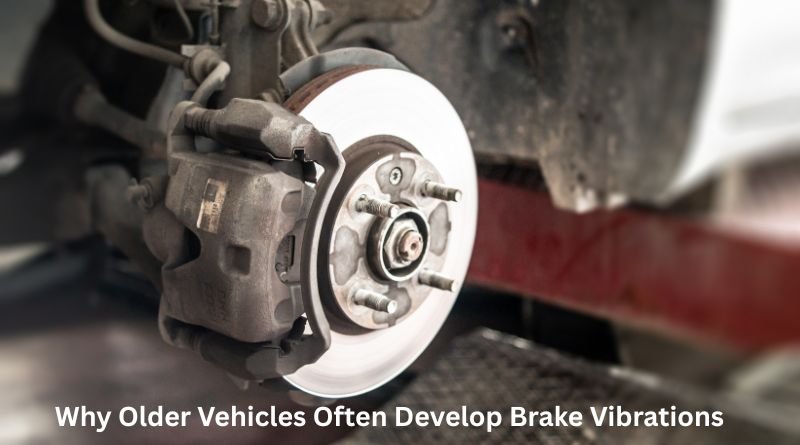
Many drivers notice shaking or vibrations while braking as their vehicles age. Sometimes the steering wheel shakes slightly during stops, while in other cases the entire vehicle feels unstable when braking at higher speeds.
Brake vibrations are one of the most common warning signs that certain braking or suspension components are beginning to wear out. Although the issue may start subtly, ignoring it for too long can eventually affect braking performance, tire wear, and overall driving safety.
Braking Systems Generate Extreme Heat
Every time a driver presses the brake pedal, friction converts motion into heat.
Brake systems regularly experience:
- High temperatures
- Pressure
- Friction
- Rapid cooling cycles
Over years of driving, this repeated stress gradually affects brake components and surrounding suspension parts.
As wear develops, vibrations often become more noticeable during braking.
Warped Rotors Are a Common Cause
Brake rotors provide the surface that brake pads press against during stopping.
Over time, rotors may develop uneven surfaces because of:
- Excessive heat
- Uneven wear
- Sudden cooling after hard braking
- Low-quality brake materials
When rotors become uneven, drivers may notice:
- Pulsating brake pedals
- Steering wheel shaking
- Vibrations during highway braking
The faster the vehicle travels, the more noticeable these vibrations often become.
Worn Brake Pads Contribute to Uneven Braking
Brake pads wear gradually every time the vehicle slows down.
As pads become excessively worn or uneven, they may create:
- Squealing sounds
- Rough braking feel
- Vibrations
- Reduced stopping smoothness
Low-quality or improperly installed brake pads may also wear unevenly, increasing the likelihood of vibration problems over time.
Routine brake inspections help identify pad wear before larger braking issues develop.
Suspension Wear Can Intensify Vibrations
Brake vibrations are not always caused solely by the braking system itself.
Older vehicles commonly develop suspension wear involving:
- Ball joints
- Tie rods
- Bushings
- Wheel bearings
- Control arms
When these components weaken, vibrations created during braking may transfer more aggressively through the steering wheel and chassis.
This is why some older vehicles feel unstable or shaky during stops even after brake repairs.
Tire Problems Sometimes Mimic Brake Issues
Uneven tire wear may also contribute to vibration symptoms.
Drivers may experience shaking caused by:
- Tire imbalance
- Flat spots
- Alignment problems
- Damaged tires
Because braking shifts weight heavily onto the front suspension and tires, existing tire problems often become more noticeable during deceleration.
Proper diagnosis is important because not all brake vibrations originate directly from the brake system itself.
Heat and Aggressive Driving Accelerate Brake Wear
Driving habits strongly affect brake lifespan.
Frequent:
- Hard braking
- Heavy traffic driving
- Towing
- Mountain driving
generate extra heat that accelerates rotor and pad wear.
Vehicles driven aggressively often develop brake vibration problems earlier because braking systems endure more stress over time.
Rust and Corrosion Affect Brake Performance
In colder climates, road salt and moisture may contribute to corrosion involving:
- Brake rotors
- Calipers
- Brake hardware
- Wheel hubs
Rust buildup can create uneven braking surfaces or cause brake components to stick improperly.
Older vehicles exposed to years of winter driving are especially vulnerable to corrosion-related brake vibration problems.
Brake Calipers Can Stick Over Time
Brake calipers apply pressure to the brake pads during stopping.
As vehicles age, calipers may begin sticking because of:
- Corrosion
- Worn seals
- Moisture contamination
- Lack of lubrication
Sticking calipers may cause uneven pad pressure, overheating, and rotor damage that eventually create noticeable braking vibrations.
In severe cases, braking performance may decline significantly.
Older Vehicles Often Develop Multiple Brake-Related Issues Together
As vehicles accumulate mileage, several braking and suspension components may begin wearing simultaneously.
An older vehicle experiencing brake vibrations may also have:
- Suspension wear
- Tire problems
- Wheel bearing deterioration
- Steering looseness
When multiple repairs become necessary together, costs can rise quickly.
This becomes especially challenging for older high-mileage vehicles already facing other aging-related repairs.
Why Some Owners Delay Brake Repairs
Drivers sometimes postpone brake inspections because the vehicle still stops adequately overall.
However, vibrations often indicate uneven wear that may continue worsening over time.
Ignoring brake problems can eventually lead to:
- Reduced braking performance
- Faster tire wear
- Suspension stress
- Larger repair costs
When brake repairs combine with transmission issues, engine leaks, rust, or electrical problems, continued ownership may eventually become financially difficult to justify.
This is one reason some owners explore alternatives such as Cash For Junk Cars once multiple aging-related repairs begin affecting both safety and reliability.
Preventative Maintenance Helps Reduce Brake Vibrations
Regular maintenance greatly reduces the likelihood of brake-related vibration problems.
Helpful preventative practices include:
- Replacing brake pads before excessive wear
- Inspecting rotors regularly
- Rotating tires properly
- Addressing steering vibrations early
- Avoiding aggressive braking habits
Early attention often prevents small braking issues from becoming more serious and expensive repairs later.
Final Thoughts
Older vehicles commonly develop brake vibrations because years of heat, friction, suspension wear, and road exposure gradually affect braking components and steering systems.
Understanding how brake vibration problems develop helps drivers recognize warning signs earlier and maintain safer, smoother, and more stable vehicles over time.